Showing posts with label Chiropractic & Laser Center. Show all posts

Wednesday, 15 November 2023

7 Health Issues Chiropractic Care Can Help With

A Chiropractor is a health professional who can diagnose, prevent, and treat general health disorders and neuromusculoskeletal system disorders. Chiropractic treatments such as joint adjustments are a safe way to treat joint pain, improve joint movability, and reduce joint inflammation.

Unlike traditional medicine, chiropractic care provides substantial benefits to people of all ages. Chiropractic treatments can help for optimal recovery or healing and are drug-free.
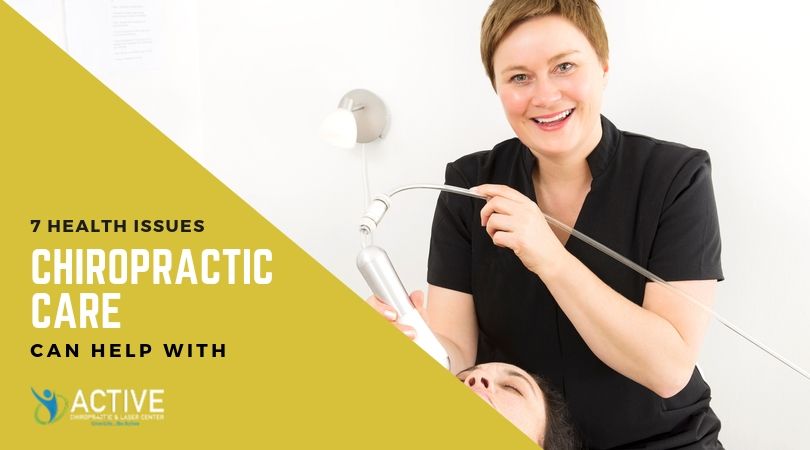
Chiropractic care can help treat these conditions:

  1. Athletic Injuries

    Athletes can benefit from chiropractic care. Many professional sports teams appoint chiropractors to treat their athletes. Several professional athletes say that chiropractic treatments help enhance their performance and ensure they don’t injure as easily.

  2. Migraines/Headaches

    There are several types of headaches; each has its own pain, symptoms and signs. Chiropractic care is effective at treating migraines or headaches regardless of the type.

  3. Work Injuries

    Getting injured at work can happen any time, but you cannot take it lightly. Workplace injuries are not just painful; you may lose pay if you are unable to work. Chiropractic treatment can help you relieve the pain and return to work as quickly as possible. People who suffer from workplace injuries have used these treatments to return to their previous health and wellness state within just a few days.

  4. Tight Muscles

    Imbalances in your body can lead to tight muscles. A chiropractor can correct those imbalances, whether they are in your spine or elsewhere. An initial visit to a chiropractor will reveal whether you have any imbalances. These imbalances can make your body weak on one side and tight on the other side.

  5. Pets/Animals

    Chiropractor treatment is helpful for animals and pets. Horse trainers and animal lovers take their horses and pets to a Tustin chiropractor for treatments and adjustments, which can enhance their performance in competitions and their overall well-being.

  6. Your Mood

    Chiropractic care can help treat your mood swings. You can get benefit from regular chiropractic treatments if you are suffering from depression or anxiety. The source of the Journal of Upper Cervical Chiropractic Research reveals that people who have received chiropractic treatments have experienced mental clarity and increased energy.

  7. Allergies

    Chiropractic treatment helps for treating allergies, improving your immune system, and keeping your central nervous system balanced. Treatments may cause some mild discomfort, but no drugs are involved.

If you are suffering from any of these conditions and want to alleviate it without drugs or surgeries, contact us or visit our chiropractic center in Tustin, CA. Our safest and effective treatments help you improve both physically and mentally.


Read More »

Monday, 11 September 2023

How Tustin Chiropractors Help You with Joint Inflammation

There are many different types of joints in the human body including saddle joints, ball and socket joints, hinge joints, and gliding joints. Over time, people may experience pain, swelling, stiffness, and tenderness in their joints due to inflammation. Tustin chiropractors focus on treating stiff and painful joints to help you move more fluidly and reduce inflammation in your joints. Chiropractic adjustments are a safe way to help your joints function and feel better.

What Is Joint Inflammation?

Inflammation is a part of the immune system’s reaction to infection and injury. Your immune system receives a response from your body to repair and heal damaged tissue and defend against bacteria and viruses. When an injury occurs, your body can benefit from the subsequent inflammation, as it helps in the healing process. On the other hand, it can become problematic if existing inflammation results in further inflammation.

Arthritis is a common form of joint inflammation. The two major arthritis types include rheumatoid arthritis and osteoarthritis. Rheumatoid arthritis occurs when your immune system’s function develops issues that results in joint inflammation. Osteoarthritis occurs when tissues at the ends of your bones wear down over time due to overuse, aging or injury.

What Are the Foods that Trigger Joint Inflammation?

Foods that cause joint inflammation include:

  • Refined flour
  • Processed sugars
  • MSG (Monosodium Glutamate)
  • Trans fats
  • Alcohol
  • Gluten

Limit the intake of these foods and follow a proper diet plan to reduce inflammation.

Tustin Chiropractic Care for Inflammation

Our Chiropractor in Tustin performs joint adjustments to treat joint pain and reduce inflammation. Every patient will receive a customized treatment plan based on their condition and personal preferences, so they can experience the best results.

Our Chiropractor in Tustin, CA can help with your joint inflammation by strengthening the surrounding muscles to reduce pressure on your joints. Also, movement therapies such as Pilates, yoga or tai chi can help to strengthen muscles.

Contact us today to learn more about our chiropractic care for inflammation or schedule an appointment with our chiropractic expert, Dr. Michael Berry, D.C.


Read More »

Wednesday, 6 May 2020

Laser Therapy Frequently Asked Questions

Low-level laser therapy, also known as cold laser therapy, is a very effective form of therapy. It does not involve the use of drugs or any surgery. Laser therapy is quick and convenient, with few side effects or risks. It is even more effective for pain relief when combined with chiropractic treatment and other techniques.

Here are some frequently asked questions on laser therapy:


What does cold laser therapy do?

Low-level laser therapy (LLLT) device is used in cold laser therapy. LLLT device has been proven to reduce swelling, pain, and inflammation, speed up the healing process, and strengthen the damaged tissue.

Is cold laser therapy safe?

Yes! Low-level laser therapy has been in use for more than 20 years. Many scientific and clinical studies have proven the effectiveness and safety of cold laser therapy. The FDA has permitted the use of this laser device in the United States.

How long does a cold laser treatment take?

Laser therapy treatment lasts approximately 5-20 minutes. Generally, you need to undergo 8 to 15 treatments. The number of treatments varies according to the factors determined by your doctor. Instant pain relief does not mean that your condition is fully cured. If your doctor or chiropractor suggests a course of therapy, you should complete it to improve the probability of your long-term success.

Does cold laser therapy actually work?

The low-level light energy is used in this treatment. The low-level light energy increases the permeability of the cell, which reduces the pain, inflammation, and swelling. The cold laser therapy accelerates the healing process and restoration of function by turning the light energy into the healing energy.

Various conditions, such as back pain, contusions, tendinitis, neck pain, and muscle pain, can be treated by laser therapy. However, the effectiveness of the results will vary according to how the treatment is delivered in terms of wavelength, dosage, duration, technique, and where the light energy is applied to the body. Cold laser therapy can provide long-lasting results.

What are the benefits of cold laser therapy?

Cold laser therapy is effective in managing pain. Some of the benefits of this low-level laser therapy include:

Anti-Inflammation

Cold laser therapy causes vasodilation (widens the blood vessels) and produces an anti-edemic effect, which helps in decreasing blood pressure. The procedure also helps the lymphatic drainage system to relieve the swollen areas. As a result, the tissue fluid is reduced to a considerable amount causing less inflammation.

Relieves Pain

The cold laser therapy produces an analgesic effect on nerve cells and blocks the pain signals that are transmitted to the brain. With reduced nerve sensitivity and inflammation, there is less fluid collection and less pain. The cold laser therapy also helps in producing high levels of pain-killing chemicals like endorphins and enkephalins from the brain and adrenal glands, which help in reducing the pain.

Improves vascular activity

The cold laser therapy helps in improving the vascular activity of your body by inducing the skin to increase the formation of new capillaries in the injured tissue. As a result of this therapy, wounds heal at a faster rate, and scar tissue is reduced.

Improved metabolism

The cold laser therapy can boost your metabolism by creating a higher output of specific enzymes. Also, the procedure produces more oxygen for blood cells, which helps in increasing metabolism.

Improves your nerve function

When your nerves get damaged, the cold laser therapy can accelerate the speed of nerve regeneration and also improves the amplitude of nerve signals to ensure a faster recovery.

Boost Your immune system

The cold laser therapy directly affects your immune system by stimulating immunoglobulins and lymphocytes. The molecular enzymes absorb the laser light, which increases ATP production. ATP is a source of cell energy and energy source for all chemical reactions in the cell.

Does cold laser therapy hurt?

The treatment is noninvasive and painless. Some people fall asleep during the treatment, whereas some people feel a little sensation or warmth. In some cases, pain can begin or increase after a treatment session. This is when the laser light starts the healing process. People with chronic issues or nerve sensitivity can feel this type of pain. This pain diminishes after a few days and rarely lasts longer.

What does cold laser therapy feel like?

Most patients feel nothing during the treatment. Some patients feel the vibration caused due to the increased blood circulation in the target area. The laser produces no heat, warmth, or burning sensation, so nothing can be felt.

Our Class IV laser therapy combined with chiropractic care, deep tissue massage techniques, and specialized exercise, can help you get relief from pain faster! Schedule an appointment with Dr. Michael Berry, an experienced Tustin chiropractor.

If you want to learn more about cold laser therapy and achieve good health, contact our Chiropractic wellness center for personalized treatment.

Read More »

Wednesday, 17 July 2019

Hip Degenerative Joint Disease: Symptoms, Causes and Treatments

Hip degenerative joint disease, also known as osteoarthritis, is a chronic disease of the bone and joint cartilage. Osteoarthritis develops as people get older or when the protective cartilage tissue wears down over time. It causes hip pain and joint inflammation.

How Does Osteoarthritis Affect the Hip Joint?

Walking can be challenging for people who have osteoarthritis of the hip. Diagnosis can be difficult because pain can occur in various locations such as knee, groin, thighs, or buttocks. The hip is stiff and the pain can either be dull or sharp.


What Causes Osteoarthritis of the Hip Joint?

Anyone can develop osteoarthritis of the hip, but people who have a family history of osteoarthritis are at an increased risk for the condition.

Other factors that may increase your risk for the condition include:

  • Older age
  • Obesity
  • Joint injuries
  • Applying more stress on the joints
  • Performing activities that involve the hip
  • Being born with defective cartilage, malformed joints, or other bone deformities
  • Certain metabolic diseases such as diabetes and hemochromatosis

What Are Its Symptoms?

Some common symptoms of the osteoarthritis of the hip include:

  • You might not be able to perform routine activities that involve the hip
  • Joint stiffness upon walking, after sitting for a long time, getting out of bed, or after being inactive
  • Tenderness, pain, or swelling in the hip joint
  • You may experience the grating sensation of bone rubbing against another bone or hear popping or crackling sound
  • Inability to use your joint to its full range of motion
  • Joint pain during and after movement

How Is Osteoarthritis of the Hip Diagnosed?

Your doctor will take X-rays of your hip to determine the condition of the hip joints, and they will conduct a physical test to check for pain and functioning of the hip in certain positions. Your doctor will diagnose your condition and the extent of your damage based on your test results.

Treatment for Osteoarthritis of the Hip

The treatment for osteoarthritis can help the hip function better, control pain, and improve the lifestyle and mobility of the patient. The treatment plans include:

  • Medications to control pain
  • Rest and joint care
  • Exercise to strengthen muscles around the joints
  • Non-drug pain relief techniques to control pain
  • Losing excess weight
  • Minimizing the use of the hip

Your doctor may recommend alternative therapies or surgery when the above treatment plans do not work.


Read More »

Wednesday, 13 June 2018

Advanced Chiropractic Care: A Step Towards Better Health

Are you suffering from the annoying kink in the neck or the dreadful lumbar pain? How do you fix it? Do you take a few painkillers? What do you do when it’s back again tomorrow? The pain that occurs in the neck, joints, muscles, shoulders, or the general spine area can be the result of different causes. Some reasons for this pain may be due to a recent fall, faulty posture, straining one's neck, and even stress. How do you deal with something like this? A simple solution to acute neck and back pain could be to use professional chiropractic services near you.


What Is Chiropractic Care?
Chiropractic care is a form of treatment that uses a hands-on approach. A chiropractor manipulates the spine to ensure back pain relief. This treatment can range from a simple massage to vigorous exercise. The chiropractor applies steady pressure over or around the affected area; they may even tug the limbs to alleviate the pain. Chiropractic treatment can help to readjust a misaligned vertebra that causes excruciating back pain. It has a number of benefits for patients suffering from musculoskeletal ailments.


Here are some of the pros of chiropractic care:


Quick Relief
Chiro-therapy involves simple techniques that chiropractors use to ensure instant relief. With a sudden stern yank or a subtle application of pressure in the right spots, it may be just what the doctor ordered.


No Surgery
With this form of therapy, there is no need for unnecessary surgery. Its quickness and simplicity also reduce a number of risks that a patient may face as a result of this condition. Before considering surgery to get rid of backaches, make sure you’ve covered the treatments at the basic level.


Better Posture
That slouch you’ve acquired while standing or sitting can reduce your mobility to a considerable extent. Chiropractic treatment will help you improve not only your flexibility, but also your posture.


Concentration on the Root Cause
Medications like painkillers do not fix the pain. They are only for alleviating temporary pain. Upon examination and diagnosis, a chiropractor can focus on what the root cause of extreme anguish is.


No Medication
The physical therapy under chiropractic services requires little to no medication for helping people to recover from their painful discomfort. This practice is a physical activity. It involves exercise and stretching. There may also be massaging of the sore regions.


Lowers Blood Pressure
Blood pressure is a common ailment. It doesn’t have to be hereditary, it can occur due to stress, staying up late, and many other physical and emotional factors can contribute to blood pressure irregularities. Research has shown that chiropractic care can help stabilize blood pressure.


Reduces Stress
Continuous stress is undeniably uncomfortable. With the right procedure, one’s stress can be reduced extensively. A chiropractor can induce muscle relaxation to bring the mind and body to a calm and composed state.


Can Help with Depression
Depression is caused due to emotional struggles. Resolving various physical deficiencies can have a positive bearing on a person’s mental conditions. Curing relentless pain can help you get one step away from depression and on the path to recovery.


What Is the Procedure for Chiropractic Treatment?

Before the actual treatment of any pain, the chiropractor will examine the patient, carry out tests to determine the severity of the pain. They will then diagnose it based on their findings. Accordingly, the most appropriate remedy will be selected to reduce musculoskeletal related aches and pains.


What Are the Risks of Chiropractic Treatment?

Certain precautions, however, must be taken when considering chiropractic treatment. It is usually advisable for those with bone fractures, cancer, or even heart disease to consult their doctor before availing this alternative pain relieving procedure. If you are seeing other doctors for the pain you are experiencing, make sure you let the chiropractor know of this. They may also ask about your lifestyle and medical history.


Does Medicare Cover Chiropractic Care?

Medicare covers 80% of the cost for spine manipulation if it is medically necessary to correct a subluxation (when one or more bones of the spine move out of position). You have to pay 20% coinsurance and your Part B deductible for all medically necessary chiropractic appointments.


Medicare doesn't cover any other services that are ordered by a chiropractor, including X-rays, acupuncture, and massage therapy. However, it covers the cost of an X-ray which is requested by another physician to determine spinal subluxation for a chiropractic patient.


Finding a good and reliable chiropractor in Tustin is not that difficult. If you are looking for trusted chiropractic services near you, call us today to enjoy the benefits of advanced chiropractic care and take a step towards better health and wellbeing.

Read More »

Wednesday, 16 May 2018

5 Easy Tips to Relieve Headaches Naturally

Many people deal with headaches on a daily basis. Headaches can range from being mild or uncomfortable to severe or unbearable and can affect your day-to-day work. There are several types of headaches. Some of them include:

  • Tension headaches are the most common
  • Cluster headaches occur in groups and are painful
  • Migraines can be moderate-to-severe
Headaches can be caused by a number of factors including:
  • Stress
  • Allergies
  • Fatigue
  • Poor Posture
  • Eyestrain
  • Hormones
  • Nutritional Deficiencies
  • Constipation

There are many medications that help you relieve a headache and ease your discomfort. However, a number of natural ways seem to be effective in treating headaches.

Here are some tips to help you get rid of headaches naturally:

  1. Stay Hydrated
  2. A headache is a sign of dehydration. Try to drink enough fluids throughout the day instead of limiting them to meal times or during a physical activity. Eat water-rich foods to avoid headaches caused by dehydration.

  3. Take Some Rest
  4. Headaches are often caused due to fatigue or inadequate sleep. It’s a sign that your body needs rest. Lie down for at least 10 minutes and relax whenever you feel that a headache is being formed. Sleeping for an hour will help to prevent headaches from getting worse.

  5. Keep Your Stress Level Low
  6. The more you stress, the more headaches you will experience. Take breaks from your stressful situations. Try to relax by doing something you enjoy the most. Take up some hobbies such as gardening, yoga, and meditation to keep your mind calm.

  7. Get a Head Massage or Cold Compress
  8. Getting a head massage or placing a cold compress on your forehead can provide relief from headaches. Gentle pressure on your temples or a rubdown may help relieve pain. Lying down with a wet and cold washcloth is effective in case of recurring headaches.

  9. Chiropractic Care
  10. Most of the headaches are associated with muscular, spinal, or habitual problems. Chiropractic care will help in providing safe, effective, and long-term relief from such headaches. A chiropractor can identify spinal and muscular problems and treat headaches resulting from them.

Active Chiropractic & Laser Center offers Class IV K-Laser Headache Program that provides a painless and non-invasive solution for headaches. Contact Dr. Berry to get relief from your headaches.


Read More »

Wednesday, 6 July 2016

7 Must Know Tips to Avoid Pain While Traveling

No matter how you travel, comfort is important. If sitting for long periods of time causes pain and discomfort, it is important to be proactive and take measures ahead of time. Preventing pain before it starts is the key to remaining comfortable for the duration of your travel time.


Stretch Often
Stretch often. Keeping the blood flowing is extremely important and will ensure the tissues have the fresh oxygen they need to remain healthy and pliable. It will also give you a chance to move.

Also Read: 4 Effective Alternatives to Manage Pain Without Drugs

Stay Hydrated
Drink plenty of water to keep your tissues hydrated. Sitting for long periods can cause your joints to become stiff and sore. Having water on hand will help ensure that your joints and muscles remain pliable.

Wear Loose Fitting Clothing
Tight fitting clothing can be restrictive and cut off circulation at the joints or other areas that may become tight while you sit through a long drive. Loose fitting clothes allows you to move freely.

Wear Comfortable Shoes
Wear comfortable shoes that will allow your feet to move naturally, while still support your arches and keep your body in alignment while you are walking from place to place.

Also Read: Top Benefits of Using Custom Orthotics for Foot Pain

Plan Ahead
Plan your trip in advance to give yourself plenty of time to reach your destination. Stress and anxiety can lead to tight muscles that cramp and become sore if you sit for long periods of time.

Bring a Pillow
Bring a pillow to put behind your neck. This supports your head and will allow your neck and shoulder muscles to relax while you are forced to sit for hours at a time.

Adjust Your Seat as Needed
Adjust your seat as needed. Even airplane seats have adjustments for the neck and lumbar regions of the back. Change them as your comfort level changes.
Read More »

Wednesday, 1 June 2016

Shockwave Therapy: A New Treatment for Pain and Injuries

Tendonitis and other types of musculoskeletal pain can not only be frustrating, but can prevent you from doing many of the activities you enjoy. Shockwave therapy is a new treatment that sends shockwaves through the targeted areas of the body, focusing on injuries that cause chronic pain. Injuries that affect the tendons and ligaments and are caused by continuous, repetitive movement can cause debilitating pain.


How Shockwave Therapy Works?
The shockwaves are generated outside of the body and directed towards the area of pain. As the quick bursts of energy target the injury, they begin to break up blockages in tissues and actually “shock” the tissues causing them to relax and release toxins that may have accumulated. The vibration breaks up inflammation resulting in a rush of freshly oxygenated blood to the area. The additional oxygen and nutrients help to speed up the healing process and reduce pain and discomfort.

Benefits of Shockwave Therapy
Shockwave therapy can be used to control pain caused by a variety of conditions including:

• Tendonitis
• Low back pain
• Plantar fasciitis
• Epicondylitis
• Shoulder and other joint pain

The procedure has a variety of benefits including the reversal of chronic inflammation, the accelerated repair of tissue, and renewed cell growth and stimulation of the production of collagen. Shockwave therapy also helps to restore mobility by releasing trigger points, dissolving fibroblasts that have become calcified and disperses pain mediators that can increase discomfort.

Over time, conditions like tendonitis, epicondylitis and lower back pain can result in the production of scar tissue and even arthritis. Addressing these conditions in their earliest stages can help to reduce the chronic discomfort that may eventually decrease the patient's quality of life.
Read More »